Related Articles
- Unveiling the Silent Effects of Malware Residue on IoT Devices and What It Means for Your Connected Home Security
- Top 6 Game-Changing Email Security Suites Released Since 2019 That Actually Stop Cyber Trickery
- The Hidden Impact of AI-Driven Voice Assistants on Your Device’s Safety: Risks Nobody Talks About
- Top 6 Stealth Encryption Products Redefining Data Privacy You Haven’t Heard About Since 2019
- Exploring the Influence of Wi-Fi Radiation on Human Sleep Patterns and Cognitive Health in Modern Living
- Top 8 Stealth Malware Cleaners from the Past 5 Years That Outsmart Evasive Threats
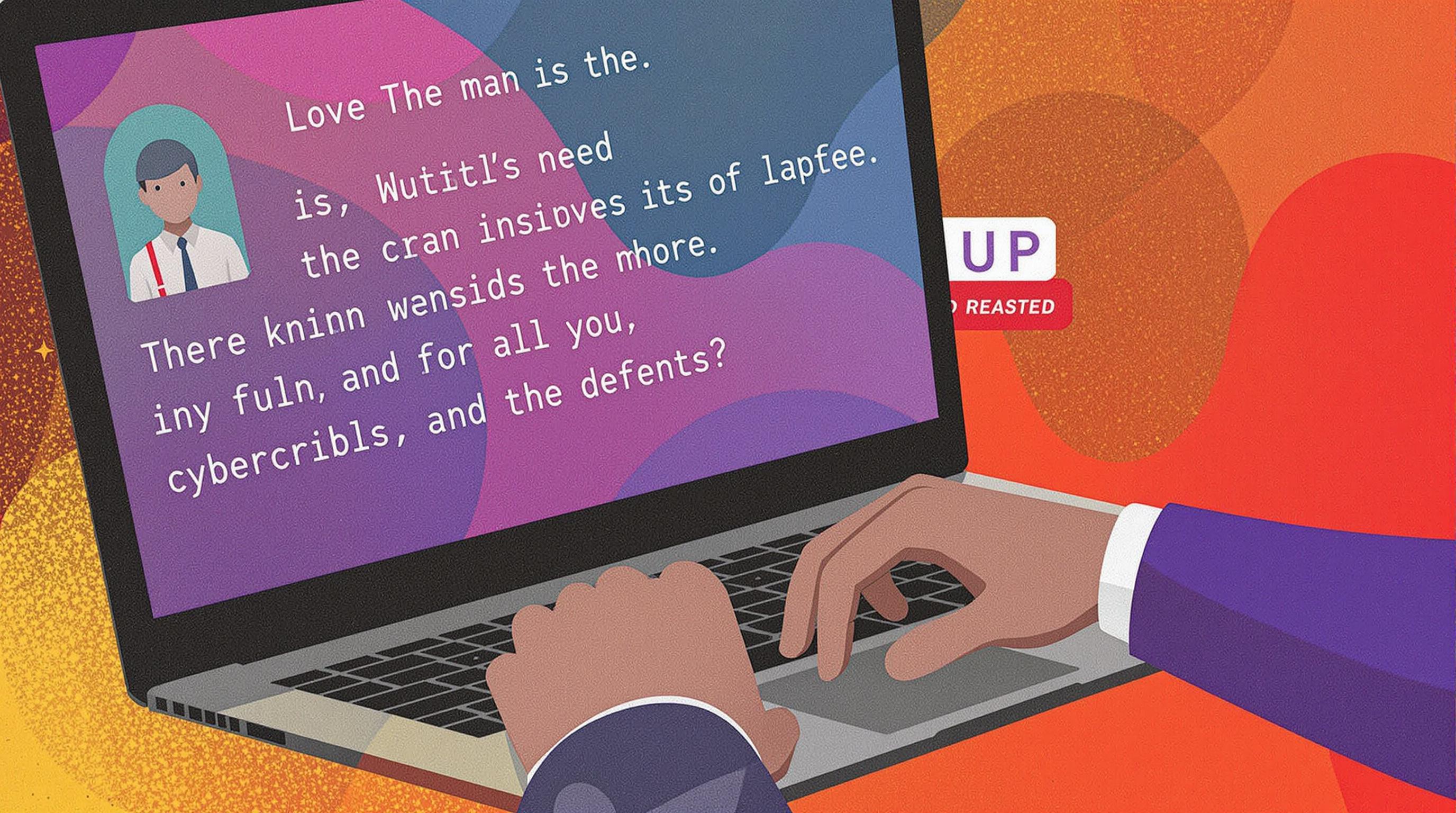
9 Little-Known Psychological Tricks Cybercriminals Use and How to Defend Against Them
9 Little-Known Psychological Tricks Cybercriminals Use and How to Defend Against Them
9 Little-Known Psychological Tricks Cybercriminals Use and How to Defend Against Them
1. Authority Impersonation
Cybercriminals often pretend to be figures of authority, such as company executives, government officials, or IT personnel. By adopting this persona, they exploit people’s natural tendency to comply with perceived authority figures. This makes individuals more likely to divulge sensitive information or perform risky actions without question.
This technique plays on social conditioning; from childhood, people are taught to obey authority, making this a powerful psychological manipulation. The scammer’s goal is to bypass rational suspicion by leveraging trust in established hierarchies.
To defend against authority impersonation, always verify the identity of the requester independently. Contact the person or organization directly using official contact information rather than responding to suspicious messages. Training employees to question unexpected requests and implementing multi-factor verification protocols can significantly reduce these risks.
2. Scarcity and Urgency
Creating a false sense of urgency or scarcity is one of the oldest psychological tricks in the book. Cybercriminals may threaten immediate account suspension or claim limited-time offers to pressure victims into acting swiftly. The resulting panic reduces critical thinking and increases the likelihood of mistakes.
This manipulation exploits the scarcity heuristic, where people perceive things as more valuable or urgent when they appear scarce or time-limited. It's a commonly exploited angle in phishing emails and fraudulent calls.
Defending against urgency tactics involves pausing before reacting. Always take the time to assess the legitimacy of the request. Organizations should train staff to recognize urgency appeals and encourage a culture where it’s acceptable to double-check matters rather than blindly respond under pressure.
3. Reciprocity Exploitation
Reciprocity is a social norm where people feel obliged to return favors or kindness. Cybercriminals exploit this by offering small gifts, favorable deals, or help to create a sense of indebtedness, prompting victims to comply with requests that follow.
This technique leverages human psychology deeply rooted in social exchange theory. When someone receives something, even unsolicited, they often feel compelled to reciprocate, sometimes irrationally.
To guard against reciprocity exploitation, be cautious of unsolicited offers or favors, especially from unknown sources. Always question motives and avoid acting out of obligation. Establish clear policies on accepting gifts or favors that might influence decision-making.
4. Social Proof Manipulation
Social proof is the psychological phenomenon where people look to others to decide how to behave, particularly in uncertain situations. Cybercriminals create fake testimonials, reviews, or use fabricated user numbers to make their scams appear more credible.
By simulating social proof, attackers make victims feel that “everyone else” is engaged or compliant, lowering resistance to fraud. This taps into the innate human desire to conform and avoid exclusion.
Defending against social proof manipulation involves verifying claims independently. Look for reviews from trusted third-party sites or consult with peers before trusting suspicious endorsements. Awareness training about fake social proof can empower users to spot deception.
5. Commitment and Consistency Pressure
People desire to appear consistent in their actions and commitments. Cybercriminals first encourage small, seemingly harmless actions that lead to gradual escalation toward larger compromises. This “foot-in-the-door” technique makes it more likely victims comply fully once psychologically committed.
The principle hinges on cognitive dissonance: once a person agrees to a small request, refusing a larger one later contradicts their own previous behavior. Attackers exploit this to maneuver victims step-by-step into handing over sensitive data or access.
To counteract this, individuals should review each request independently rather than viewing it as part of a series. Training that emphasizes the risks of incremental commitments and encourages critical assessment at every stage can reduce vulnerability.
6. Exploiting Fear and Anxiety
Fear is a powerful motivator and can cloud judgment. Cybercriminals induce fear by warning of security breaches, legal consequences, or financial losses. This heightened emotional state reduces logical thinking and increases impulsivity to resolve the perceived threat.
Such tactics prey on the amygdala’s response to danger, which can override higher-level reasoning centered in the prefrontal cortex. Fear-laden messages or calls create a crisis atmosphere that attackers exploit to extract information quickly.
The best defense is emotional regulation and skepticism. Pause to evaluate the situation calmly and verify claims through official channels. Robust cybersecurity education should include managing fear-driven impulses and recognizing alarmist tactics.
7. Exploiting Curiosity and Intrigue
Cybercriminals know that curiosity is a natural human trait. They design phishing emails or websites that entice users with sensational headlines, mysterious links, or intriguing images to encourage clicks and engagement.
This psychological trick leverages the brain’s reward system, which motivates exploration and discovery. Unfortunately, it bypasses caution and can lead users into traps such as malware download or credential theft.
Defensive strategies include skepticism toward unsolicited content, even if it appears interesting or exciting. Encouraging users to think before clicking and using email filters or web security tools to reduce exposure to malicious content is essential.
8. Overloading Information to Confuse (Cognitive Overload)
By bombarding victims with excessive information, technical jargon, or complex instructions, cybercriminals induce cognitive overload. This confusion impairs decision-making and increases dependence on the attacker’s guidance.
When overwhelmed, individuals struggle to process information effectively and may comply simply to resolve the discomfort of uncertainty. This technique often appears in tech support scams and fraud calls.
To defend, individuals should seek external verification and request clear, simple explanations for any complex communications. Organizations can reduce risk by providing accessible resources and training to help staff recognize and reject overcomplicated fraudulent messages.
9. Exploiting Trust in Familiarity
Cybercriminals may mimic familiar brands, friends, or colleagues to exploit trust. This includes spoofing email addresses, using logos, or replicating writing styles to create a false sense of familiarity and reduce suspicion.
Familiarity breeds trust, which lowers vigilance and encourages sharing of information or clicking on malicious links. Attackers exploit this cognitive shortcut, making their scams more convincing and effective.
Combating this requires vigilance even with seemingly familiar contacts. Verify unusual requests independently, use email authentication tools like SPF and DMARC, and educate users about the risks of blind trust based on appearance alone.
Conclusion
Cybercriminals skillfully manipulate psychological principles—including authority, urgency, reciprocity, and more—to exploit human vulnerabilities. Understanding these tactics is the first step toward building resilience.
Organizations should invest in continuous cybersecurity education emphasizing psychological awareness, and individuals should cultivate skepticism alongside technological defenses. Combining psychological insights with practical precautions creates a robust shield against evolving cyber threats.
For further reading, see works by cybersecurity experts like Kevin Mitnick and reports from organizations such as the Anti-Phishing Working Group (APWG) and the Federal Trade Commission (FTC).
Read More