Related Articles
- Unveiling the Silent Effects of Malware Residue on IoT Devices and What It Means for Your Connected Home Security
- Top 6 Game-Changing Email Security Suites Released Since 2019 That Actually Stop Cyber Trickery
- The Hidden Impact of AI-Driven Voice Assistants on Your Device’s Safety: Risks Nobody Talks About
- Top 6 Stealth Encryption Products Redefining Data Privacy You Haven’t Heard About Since 2019
- Exploring the Influence of Wi-Fi Radiation on Human Sleep Patterns and Cognitive Health in Modern Living
- Top 8 Stealth Malware Cleaners from the Past 5 Years That Outsmart Evasive Threats
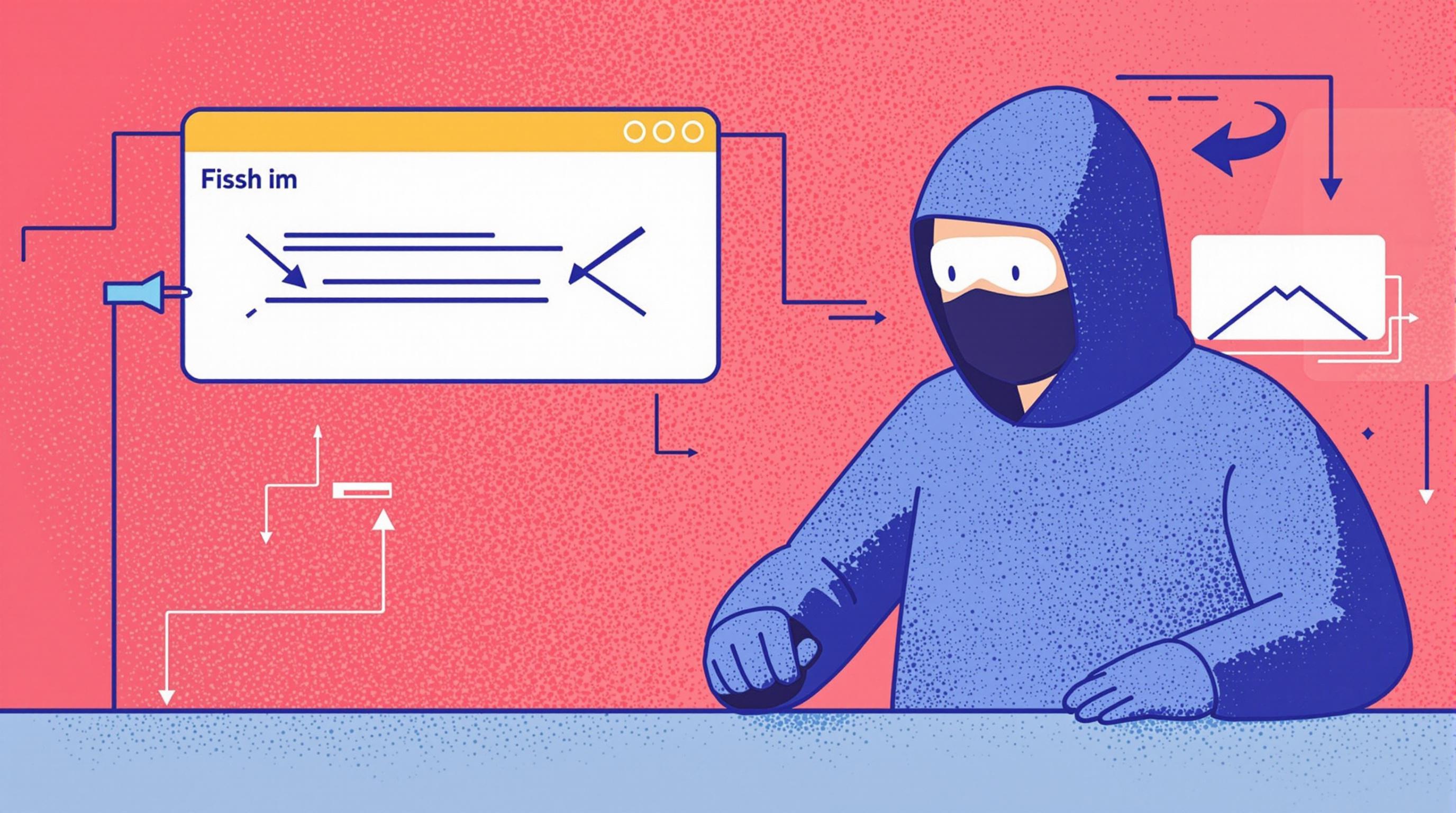
12 Unconventional Tactics to Outsmart Phishing Scams and Safeguard Your Digital Life
12 Unconventional Tactics to Outsmart Phishing Scams and Safeguard Your Digital Life
12 Unconventional Tactics to Outsmart Phishing Scams and Safeguard Your Digital Life
1. Leverage Browser Extensions for Real-Time Protection
While many people rely on built-in security tools, specialized browser extensions can provide an extra layer of defense against phishing. These extensions analyze websites in real-time and alert you if something seems suspicious or dangerous.
Look for reputable options from recognized security companies that offer phishing protection, such as extensions that check URLs against known blacklists. They often provide visual warnings or block access to fraudulent sites before you can enter sensitive information.
By integrating these tools with your daily browsing habits, you can reduce the risk of accidentally visiting malicious sites, making it harder for phishers to trick you. This proactive approach complements traditional antivirus solutions.
2. Use Unicode Detection Tools to Spot URL Spoofing
Phishers often exploit lookalike characters using Unicode to create URLs that appear legitimate but lead to harmful websites. This technique, known as "homograph attacks," can fool many users at a glance.
Employ Unicode detection tools or websites that analyze URLs and display suspicious character usage. These tools flag URLs with atypical letters or characters that mimic regular domain names, helping you avoid traps.
By familiarizing yourself with these tactics, and using these detection aids, you build a sharper eye for deceptive domains, strengthening your ability to spot phishing attempts before they cause damage.
3. Implement Email Alias Techniques
Creating email aliases can help filter and monitor incoming messages. Many providers, like Gmail, allow you to add identifiers to your email address using "+", such as username+shopping@gmail.com. This helps segregate where suspicious emails may be originating.
If a phishing email targets one alias, it indicates a potential data breach or misuse from a specific source. You can then block or delete emails sent to that alias without impacting your main inbox.
This tactic enhances visibility and gives you granular control over incoming correspondence, enabling you to better identify and isolate phishing attempts before interacting with them.
4. Train Yourself with Phishing Simulation Games
Since human error is often the weakest link, engaging in phishing simulation games and interactive training can improve your recognition skills. Many cybersecurity organizations offer free or low-cost simulations that mimic real-world phishing attacks.
Participating in these exercises regularly helps you learn common phishing cues and develop quick decision-making abilities regarding suspicious emails or messages.
This gamified approach fosters proactive learning and makes awareness entertaining, increasing the likelihood you’ll stay alert in your daily digital activities.
5. Cross-Verify Requests by Out-of-Band Communication
Phishers often urge immediate action, especially for account or payment confirmations. Instead of clicking links or replying directly, confirm requests through a different channel like a phone call or official app notification.
For example, if a message claims there's a problem with your bank account, contact your bank using a phone number from their official website, not the one provided in the suspicious email.
This “out-of-band” verification method helps ensure you’re dealing with legitimate communications, preventing you from falling prey to fake urgent requests.
6. Employ Password Managers with Site Autofill Validation
Modern password managers can detect URL mismatches and only autofill credentials on legitimate websites. This feature stops you from entering passwords on fraudulent phishing websites, which often slightly alter domain names.
By relying on a trusted password manager, you also eliminate the temptation to reuse passwords or create weak ones, further securing your online accounts.
Choosing one with robust validation and regular updates increases protection against credential theft, an essential step in thwarting phishing scams (source: National Cyber Security Centre).
7. Scrutinize Email Headers for Hidden Clues
Phishing emails can often be identified by examining their header information, which reveals details like the sender's true email address, servers it passed through, and more. These clues are vital for detecting spoofed messages.
While headers may look complex, many online tools decode them to provide simple summaries highlighting inconsistencies or forged sources.
Regularly practicing header analysis sharpens your ability to spot deceptive senders and adds a sophisticated layer to your phishing defense.
8. Avoid Shortened URLs Unless Verified
URL shorteners are popular but pose a risk in phishing as they hide the final destination address. Attackers use shortened links to disguise malicious websites in emails, SMS, or social media.
Before clicking on shortened URLs, use URL expander services to preview the actual site. If the destination looks suspicious or unfamiliar, avoid clicking altogether.
Developing a habit to verify these links helps prevent indirect phishing attacks, adding caution to your browsing behavior.
9. Monitor Your Digital Footprint Proactively
Phishing often exploits personal or organizational data made available online through breaches or public profiles. Regularly check what information about you is accessible on the internet using data breach notification services.
Services like Have I Been Pwned notify you if your email or credentials appear in leaked data, allowing you to take swift action by changing passwords or alerting relevant institutions.
Maintaining awareness of your digital exposure reduces the success rate of phishing attacks designed around your personal information.
10. Develop a Culture of Skepticism and Verification
Above all, cultivating a mindset of healthy skepticism towards unsolicited emails and messages is your strongest defense. Automatically assume that unexpected requests for information or urgent calls to action warrant verification.
Encourage coworkers, friends, and family to adopt this approach as well, turning awareness into a collective habit that dramatically reduces phishing risks.
By fostering an environment where questioning and confirming suspicious communications becomes standard, you significantly outsmart phishing actors targeting human vulnerability.
Read More