Related Articles
- Unveiling the Silent Effects of Malware Residue on IoT Devices and What It Means for Your Connected Home Security
- Top 6 Game-Changing Email Security Suites Released Since 2019 That Actually Stop Cyber Trickery
- The Hidden Impact of AI-Driven Voice Assistants on Your Device’s Safety: Risks Nobody Talks About
- Top 6 Stealth Encryption Products Redefining Data Privacy You Haven’t Heard About Since 2019
- Exploring the Influence of Wi-Fi Radiation on Human Sleep Patterns and Cognitive Health in Modern Living
- Top 8 Stealth Malware Cleaners from the Past 5 Years That Outsmart Evasive Threats
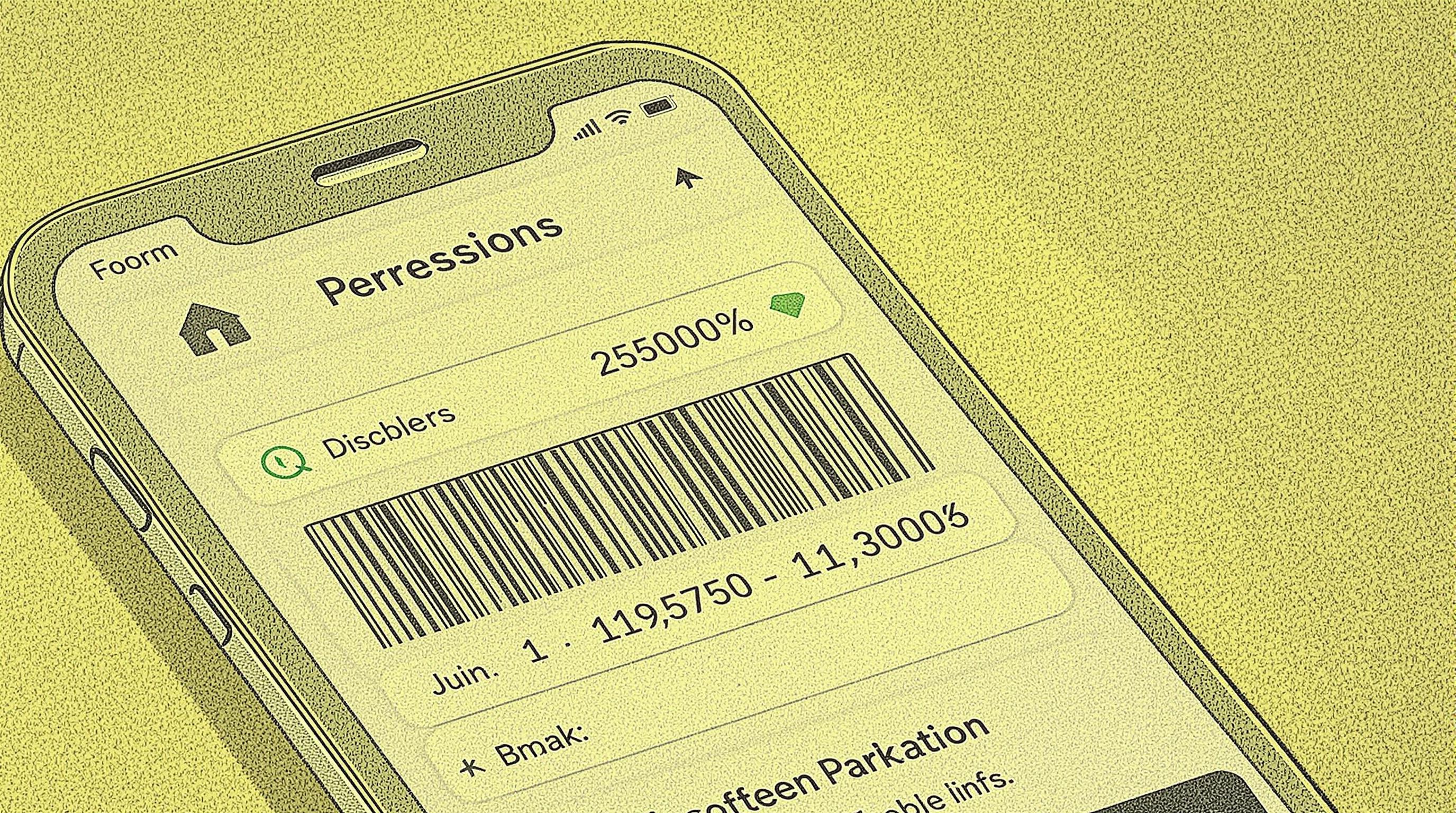
Unseen Risks: How Forgotten Permissions in Mobile Apps Could Undermine Global Digital Privacy Efforts
Unseen Risks: How Forgotten Permissions in Mobile Apps Could Undermine Global Digital Privacy Efforts
Forgotten permissions in mobile apps act as silent cracks in the dam of global digital privacy, threatening to let sensitive user data flow unchecked into untrusted hands. This article explores the unseen risks these permissions pose, their impact on privacy efforts worldwide, and what can be done to safeguard our digital lives.
A Tale of Invisible Access: What Are Forgotten Permissions?
Imagine buying a front door with a lock but then leaving a window wide open without a notice. That's essentially what app permissions do when developers forget to regularly audit or remove outdated access rights. Mobile apps often request permissions to access features like location, camera, microphone, or contacts. Over time, as apps evolve, certain permissions become obsolete but remain enabled, potentially granting unnecessary access to personal data. These "forgotten permissions" silently undermine privacy protections, making users vulnerable to surveillance and data misuse.
Did You Know?
According to a 2021 study by Pew Research Center, 81% of Americans feel the potential risks of companies collecting their personal data outweigh the benefits. Yet, most users are unaware that apps they trust may keep access permissions long after they’re needed.
A Generation’s Perspective: Written by a 34-year-old Digital Rights Advocate
From my vantage point, juggling digital life as a millennial has been like walking a tightrope. I remember downloading a quirky photo editing app in college; it wanted microphone permission, which made zero sense. I shrugged it off until years later, I discovered it had quietly been recording ambient conversations. By then, my data wasn’t just a pixelated selfie but a mosaic of personal moments. This experience opened my eyes to the hidden dangers of forgotten permissions—not just for me, but millions worldwide.
The Formal Risks to Global Privacy Frameworks
International privacy efforts such as the European Union’s General Data Protection Regulation (GDPR) and the California Consumer Privacy Act (CCPA) seek to enhance user control over personal data. However, the existence of forgotten permissions in mobile applications presents a significant loophole. Because these permissions remain active unnoticed, they circumvent the principle of data minimization central to privacy laws.
In practice, this means apps may collect more data than consented to, and this data may be stored or even shared without explicit user awareness. Such inadvertent violations complicate regulatory enforcement and can erode public trust in digital governance initiatives.
A Cautionary Tale: The Facebook-Cambridge Analytica Scandal
While not specifically about forgotten permissions, this incident demonstrates the risks of unchecked data access. Third-party apps exploited broad permissions to harvest detailed user information, subsequently influencing political campaigns. Forgotten permissions represent a quieter but equally insidious threat, where outdated access remains unchecked, silently enabling data leaks.
Casual and Concerned: A Recent College Graduate Speaks
“Honestly, I didn’t even know my apps asked for so many permissions. I always just clicked ‘allow’ to get things working. But then I found out some of those apps were tracking me even when I wasn’t using them. It felt like my phone was spying on me!”
This personal reflection encapsulates a widespread disconnect between user awareness and app behavior—a gap ripe for exploitation.
Statistics That Make You Think
Consider that over 70% of mobile apps on popular marketplaces retain permissions that are no longer necessary for their primary function (Source: University of Oxford, App Permissions Study, 2023).
Moreover, nearly 60% of users rarely review or adjust app permissions post-installation (Source: Digital Transparency Report, 2022), leaving outdated permissions uncurated and perpetuating risks.
The Technical Underbelly: Why Permissions Are Forgotten
Developers face myriad challenges: continual updates, shifting privacy policies, and complex permission architectures on platforms like Android and iOS. Often, the focus lies on adding features rather than cleaning up legacy permissions. Additionally, automatic upgrades may carry old permission requests forward without prompting re-consent.
These factors create a digital environment where permissions linger like forgotten shadows—once granted, seldom re-examined.
Humorous Note: The “Permission Monster”
Picture an app as a pet monster that demands keys to every room in your house. You hand over the keys to the kitchen and living room happily but then forget it still has the attic key, which nobody ever visits. Now, imagine that attic holds your diary and secret snack stash. That’s what forgotten permissions feel like—a “permission monster” lurking in the digital attic.
Real-World Concrete Examples
In early 2023, a popular fitness tracking app was found to maintain constant access to users’ microphones despite updates removing any features requiring audio. This vulnerability opened pathways for unauthorized eavesdropping—a serious breach waiting to happen.
Similarly, many social media apps still request location permissions far beyond what their features demand, leading to unnecessary tracking and profiling.
What Can We Do? A Call to Action
For users, vigilance is key. Regularly reviewing app permissions on your device can significantly reduce exposure. Both Android and iOS provide permission dashboards—make these your digital checklists.
Developers must incorporate permission audits into their lifecycle management to remove obsolete permissions proactively. Regulatory bodies, meanwhile, should mandate stricter controls and transparency to enforce responsible permission use.
Storytelling Close: An Art Historian’s Reflection on Digital Privacy
As someone whose career revolves around tracing hidden narratives in masterpieces, I view these forgotten permissions similarly—creeping detritus in an otherwise beautiful mosaic. Our digital devices are modern galleries, each app a brushstroke. If we neglect the subtle layers—forgotten permissions—the entire composition suffers. The integrity of our digital privacy depends on safeguarding every element, visible or not.
In conclusion, forgotten permissions in mobile apps are an understated yet significant threat to global privacy. Through awareness, technical diligence, and robust policy frameworks, we can plug these unseen cracks and uphold the sanctity of our digital selves.
Read More