Related Articles
- Unveiling the Silent Effects of Malware Residue on IoT Devices and What It Means for Your Connected Home Security
- Top 6 Game-Changing Email Security Suites Released Since 2019 That Actually Stop Cyber Trickery
- The Hidden Impact of AI-Driven Voice Assistants on Your Device’s Safety: Risks Nobody Talks About
- Top 6 Stealth Encryption Products Redefining Data Privacy You Haven’t Heard About Since 2019
- Exploring the Influence of Wi-Fi Radiation on Human Sleep Patterns and Cognitive Health in Modern Living
- Top 8 Stealth Malware Cleaners from the Past 5 Years That Outsmart Evasive Threats
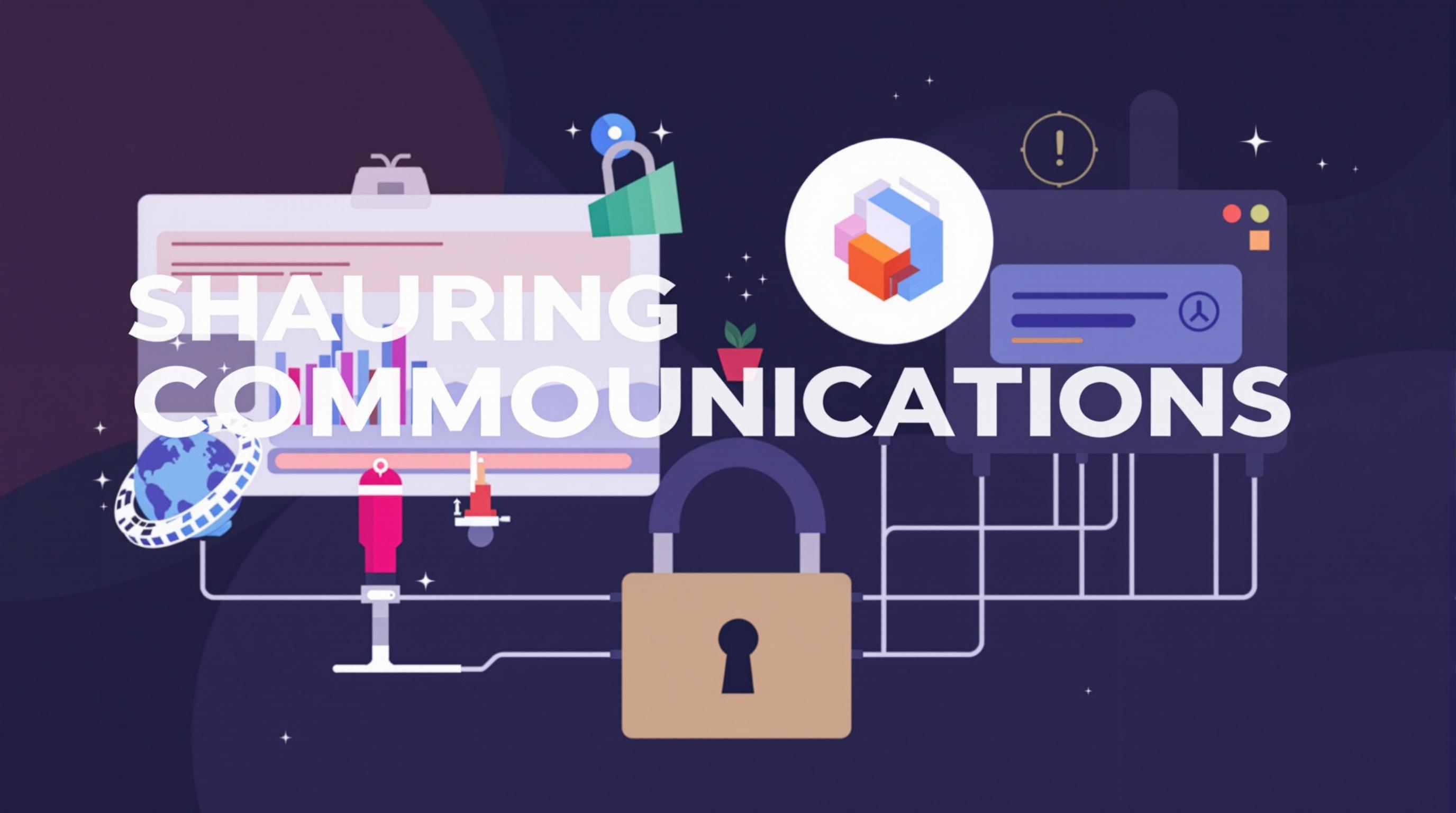
Top 7 Breakthrough Tools Shaping Secure Communications Since 2019: In-Depth Comparison & Review
Top 7 Breakthrough Tools Shaping Secure Communications Since 2019: In-Depth Comparison & Review
Top 7 Breakthrough Tools Shaping Secure Communications Since 2019: In-Depth Comparison & Review
Introduction
In an era where data breaches and cyber espionage dominate headlines, secure communication technologies have become paramount. Since 2019, several innovative tools have emerged that redefine encryption, privacy protocols, and user accessibility. This article explores the top seven breakthrough tools that have significantly enhanced secure communication and how they compare in terms of features, usability, and security strength.
With the complexity of cyber threats increasing, the demand for secure, reliable communication platforms has surged across both personal and enterprise levels. Each tool reviewed here leverages different encryption methodologies and security architectures, catering to distinct needs – from end-to-end encryption in messaging to privacy-centric video conferencing.
We aim to provide a comprehensive yet accessible review to help users and organizations make informed choices. The following sections will detail each breakthrough tool’s core features, pros and cons, and overall impact on secure communications since 2019.
1. Signal
Signal has long been hailed as a gold standard for secure instant messaging, but its prominence skyrocketed after 2019, with an increase in adoption among privacy advocates and even public figures. It uses the Signal Protocol, an open-source encryption framework that provides end-to-end encryption for messages, calls, and video chats.
Signal’s standout feature is its commitment to privacy through minimal data retention—no metadata is stored, and all communications are encrypted by default. Moreover, the app is free, supported by donations and grants, enhancing trust as it eliminates commercial interests exploiting user data. According to Open Whisper Systems, Signal’s developer, the protocol has been widely audited, establishing a high security baseline.
Despite these robust protections, Signal faces usability critiques, mainly regarding group video quality and lack of integration with business tools. However, for personal communications prioritizing privacy, Signal remains one of the best solutions available as of 2024.
2. Wire
Wire is an enterprise-focused secure communication platform offering messaging, voice, and video conferencing with end-to-end encryption. Launched prior to 2019, Wire has seen significant updates improving scalability and compliance with regulations like GDPR, making it attractive for businesses with strict data privacy needs.
The platform supports multiple user profiles and secure file sharing alongside robust encryption. Wire’s open-source backend fosters transparency and invites external audits. It is also compliant with standards such as ISO 27001, giving enterprises confidence in its security posture.
However, Wire requires subscription fees for premium features, which might deter small teams or individual users. Additionally, some have noted the interface is less intuitive compared to consumer-focused apps. Overall, Wire balances strong security for corporate environments with comprehensive communication options.
3. Threema
Threema is a privacy-first messaging app that gained traction post-2019 due to its minimal data collection and Swiss data protection laws. Unlike many free options, Threema is paid, which supports its independence from advertising revenue and data monetization.
This tool offers encrypted chats, voice calls, file sharing, and even polls with anonymity features. Threema does not require a phone number or email for registration, enhancing user privacy. Its open-source cryptographic methods have undergone independent security audits, giving added confidence to privacy-conscious users.
The main challenge for Threema is user base size, as meaningful network effects rely on others using the app. Nonetheless, it remains a powerful choice in regions valuing data sovereignty and anonymity.
4. Telegram (Secret Chats Feature)
Telegram has grown immensely since 2019 and addresses secure communications with its "Secret Chats" feature, which offers end-to-end encryption distinct from its regular cloud chats. This dual model allows users to choose convenience or maximum privacy.
Telegram’s secret chats provide self-destruct timers, screenshot prevention, and secure key exchange, elevating user control over message lifetimes. However, the encryption protocol used is proprietary, which has drawn criticism from some cryptography experts advocating for fully open-source methods.
Additionally, Telegram offers extensive group functionalities and bot integrations, attracting users despite some concerns about security transparency. It remains popular where encrypted messaging overlaps with social interaction needs.
5. Zoom (End-to-End Encryption)
Following critical security critiques in early 2020, Zoom implemented true end-to-end encryption for its meetings. This upgrade marked a turning point for secure video communications, particularly for enterprises and educational institutions.
Zoom’s E2EE mode encrypts meeting data so only participants hold decryption keys, preventing even Zoom servers from accessing call content. The feature integrates smoothly with existing workflows, balancing usability and security.
Despite improvements, enabling E2EE requires users to trade off some functionalities like cloud recording and live transcription. Nonetheless, this move has strengthened Zoom's reputation as a secure platform in a competitive market.
6. ProtonMail and ProtonChat
ProtonMail has maintained its position as a leader in encrypted email services, expanding its secure communication ecosystem with ProtonChat. Both tools emphasize privacy by employing end-to-end encryption with zero-access architecture.
Operating under Swiss jurisdiction, Proton’s services benefit from stringent privacy laws. ProtonChat, launched post-2019, integrates seamlessly with ProtonMail accounts, offering encrypted messaging and video calls designed for user confidentiality.
While Proton services are praised for security, some users report slower speeds compared to mainstream competitors. However, privacy advocates prioritize Proton's transparent approach over raw performance metrics.
7. Keybase
Keybase is an encrypted messaging and file-sharing platform offering strong identity verification tied to social media and cryptographic proofs. Its integration with public key infrastructure (PKI) adds an extra layer of trust in user identities.
Developed before its acquisition by Zoom in 2020, Keybase continues to enable secure team communication with end-to-end encryption and transparent cryptography. It supports encrypted git repositories and integrates with developer workflows.
Some users find Keybase's setup process technical and challenging for average users, but its robust security features make it invaluable for developers and privacy-conscious teams.
Comparative Summary
Comparing these seven tools reveals diverse solutions tailored to different needs—personal, corporate, or developer-centric. Signal and Threema excel in privacy and minimal data collection, while Wire and Zoom cater to professional contexts requiring compliance and integrated workflows.
Telegram and Keybase provide hybrid solutions blending social and cryptographic identity features, though sometimes sacrificing transparency for scalability or ease of use. Proton’s ecosystem stands out for email and messaging coherence in encrypted communications.
Ultimately, the choice depends on what aspects of secure communication matter most: ease of adoption, open-source transparency, privacy guarantees, or enterprise-grade compliance.
Conclusion
The landscape of secure communications has advanced remarkably since 2019, driven by increasing demand for privacy and the evolving threat environment. These seven tools have each contributed breakthroughs in encryption technology, user empowerment, and privacy assurances.
Security practitioners and everyday users alike benefit from understanding the nuanced capabilities and trade-offs of these platforms. As cyber threats continue to evolve, ongoing innovation and vigilance are essential to safeguard digital conversations.
For anyone serious about secure communication, exploring these tools and aligning choices with personal or organizational priorities is a prudent step toward digital privacy resilience.
References
1. Open Whisper Systems - The Signal Protocol: https://signal.org/docs/
2. Wire Security Overview: https://wire.com/en/security/
3. Telegram Encryption Explained: https://telegram.org/blog/privacy-discussions
4. Zoom End-to-End Encryption Announcement: https://blog.zoom.us/wordpress/2020/10/23/end-to-end-encryption-for-all/
5. ProtonMail Transparency Reports: https://proton.me/security
6. Keybase Official Documentation: https://keybase.io/docs