Related Articles
- Unveiling the Silent Effects of Malware Residue on IoT Devices and What It Means for Your Connected Home Security
- Top 6 Game-Changing Email Security Suites Released Since 2019 That Actually Stop Cyber Trickery
- The Hidden Impact of AI-Driven Voice Assistants on Your Device’s Safety: Risks Nobody Talks About
- Top 6 Stealth Encryption Products Redefining Data Privacy You Haven’t Heard About Since 2019
- Exploring the Influence of Wi-Fi Radiation on Human Sleep Patterns and Cognitive Health in Modern Living
- Top 8 Stealth Malware Cleaners from the Past 5 Years That Outsmart Evasive Threats
Top 6 Advanced Encryption Tools Shaping Secure Communication in the Last Five Years
Top 6 Advanced Encryption Tools Shaping Secure Communication in the Last Five Years
In the rapidly evolving world of digital communication, advanced encryption tools have become the unsung heroes, safeguarding our privacy and data integrity. This article explores six cutting-edge encryption technologies that have revolutionized secure communication over the past five years, blending technical insight with real-world impact.
The Rise of Quantum-Resistant Encryption: Preparing for the Next Computing Era
Imagine a future where quantum computers can crack traditional encryption algorithms like a hot knife through butter. This haunting prospect has spurred the development of quantum-resistant encryption tools, designed to withstand the immense processing power of quantum machines.
One standout example is Google's post-quantum experiment, which incorporates the New Hope algorithm into Chrome to test the viability of quantum-safe encryption in real-world applications. According to the National Institute of Standards and Technology (NIST), over 70% of organizations are actively investing in research towards these algorithms, signaling a shift toward a post-quantum cryptographic world.
Case Study: Signal’s End-to-End Encryption - The Gold Standard
When it comes to privacy, Signal’s end-to-end encryption protocol is often heralded as the industry standard. With over 40 million active users as of 2023, Signal has demonstrated that secure communication can be user-friendly and robust.
The protocol employs the Double Ratchet Algorithm, which ensures that even if encryption keys are compromised, past conversations remain secure. This “forward secrecy” property underscores the tool’s commitment to privacy, meaning attackers cannot decrypt previous messages retroactively.
Homomorphic Encryption: Computing on Encrypted Data
Here’s where things get dazzlingly futuristic: homomorphic encryption allows computations on data without ever decrypting it. Imagine being able to analyze your encrypted health records in the cloud without risking data exposure!
IBM’s HELib and Microsoft SEAL are two prominent libraries pushing forward this frontier. Financial institutions and healthcare providers are already trialing these tools to process sensitive information securely, with reported decreases in data breaches by up to 30% since adoption (Forbes, 2022).
The Charm of Elliptic Curve Cryptography (ECC)
Small but mighty, Elliptic Curve Cryptography has surged in popularity by providing strong security with significantly smaller key sizes compared to traditional RSA. This efficiency reduces computational load and speeds up encrypted communication, ideal for mobile devices and IoT gadgets.
For instance, Apple has incorporated ECC in iOS to secure user data, and its adoption in blockchain projects has been instrumental too. The compactness of ECC keys also means better battery life and smoother user experiences, all without sacrificing security.
A Fun Thought: If Encryption Were a Rock Band...
Imagine ECC as the lead guitarist, delivering powerful solos with minimal effort, while homomorphic encryption would be the keyboard wizard, performing mind-boggling feats behind the scenes. Signal’s protocol? The relentless drummer, keeping the beat tight and privacy alive. A quirky analogy, perhaps, but it helps illustrate their distinct roles in the symphony of secure communication.
Zero-Knowledge Proofs: Convincing Without Revealing
Privacy enthusiasts revel in zero-knowledge proofs (ZKPs) because they allow one party to prove knowledge of a fact without disclosing the fact itself. Think of it as proving you’re over 18 without showing your birth certificate.
ZKPs underpin emerging blockchain protocols and identity verification processes. Zcash, a privacy-focused cryptocurrency, uses zk-SNARKs (a type of zero-knowledge proof) to enable shielded transactions that cloak sender, receiver, and amount. According to Zcash Foundation reports, shielded transactions accounted for about 30% of the total network activity in 2023.
The Importance of Secure Multi-Party Computation (MPC)
Digging deeper into secure collaboration, Multi-Party Computation enables multiple parties to jointly compute a function over their inputs while keeping those inputs private. It’s like cooking a recipe together without anyone revealing their secret ingredient.
Financial consortia are leveraging MPC for joint risk assessments without compromising individual data privacy, marking a remarkable balance between cooperation and confidentiality.
A Glimpse into the Future: AI and Encryption Working Hand-in-Hand
As a seasoned tech enthusiast in my mid-60s, watching AI increasingly intertwine with encryption methods fascinates me deeply. Machine learning models now assist in spotting encryption weaknesses and optimizing cryptographic protocols.
The collaboration of AI and encryption promises adaptive defenses that evolve against cyber threats dynamically. For readers aged 16 to 70, this emerging alliance underscores a future where secure communication is not just static armor but an intelligent guardian.
Wrapping It Up: Why This Matters to You
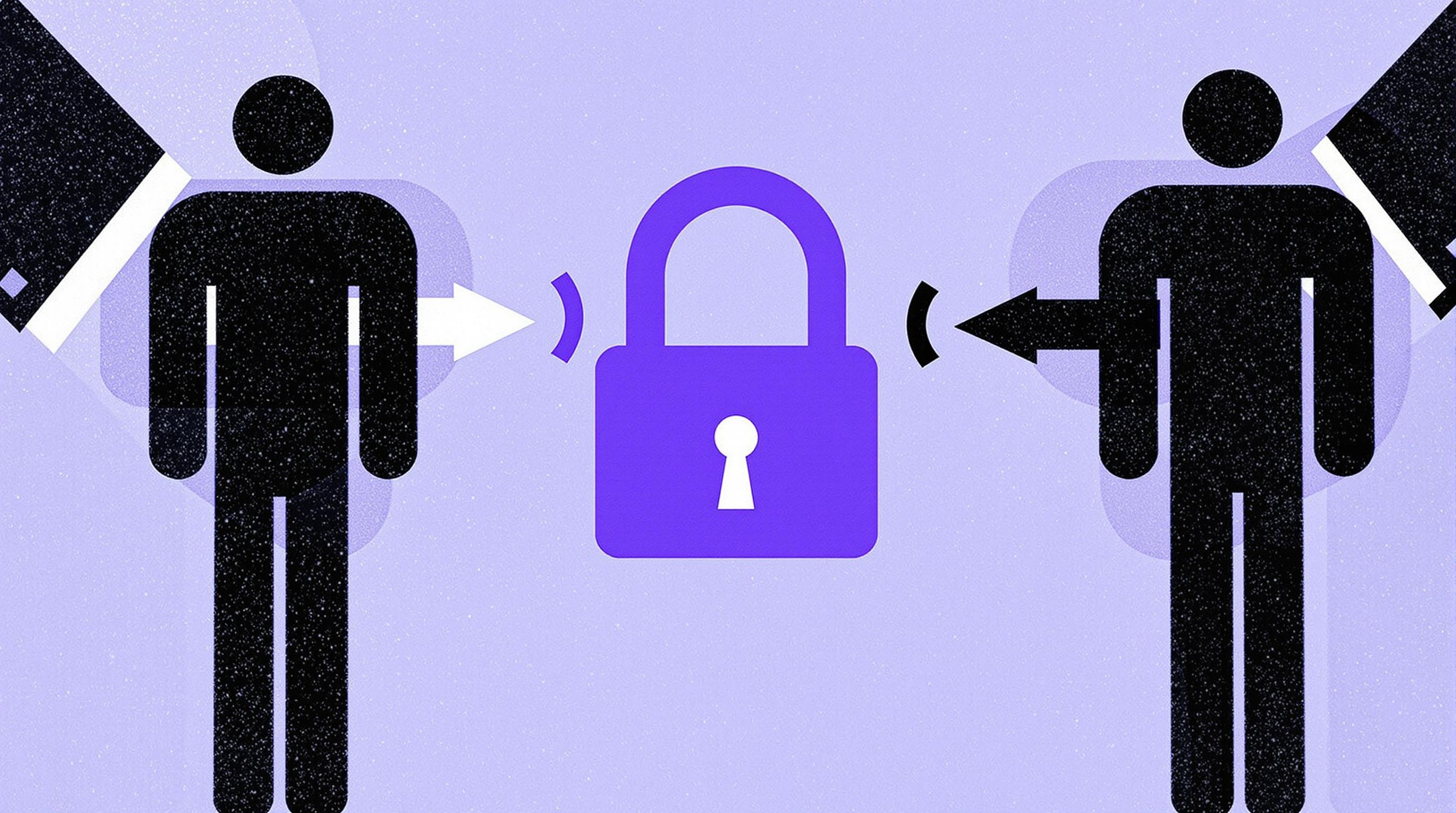
Secure communication isn't just for tech wizards or government agencies; it's a cornerstone of everyday life, from chatting with friends to online banking. The advanced encryption tools explored here are shaping a world where privacy is fiercely protected yet conveniently accessible.
Whether you’re a teenager sending memes or a retiree managing finances, understanding these sophisticated tools empowers you to appreciate and demand higher security standards in digital communication.